



Energy · Operations Memo · November 2026
Monsoon is the auditor no consultant can bribe. Through peak storm weeks, Meridian East held availability above plan, cut outage-minutes in served districts, and covered evening peaks from storage — the decentralized mesh doing exactly what the local-first whitepaper promised and the $85M Sri Lanka program extends.
- Availability above plan; outage-minutes below plan in served districts; stability thesis intact (+15%).
- Storage (2–4 hr) + sectionalizers carried peaks through storm windows; diesel runs avoided.
- Builds on 150 MW added, 250,000 households, 30% YoY growth.
- Method: weekly ops, lineage dispatch from Nervyra forecasting.
1. What the storm tested: wind, cloud, access
Peak weeks combined three stresses: wind faults on exposed spans, multi-day cloud depressing solar, and road access limiting crew movement. Centralized grids answer with reserves; decentralized meshes answer with proximity — generation near load, storage on constrained feeders, and sectionalizers that isolate faults to blocks, not districts. Dispatch forecasting (monsoon cloud + load ramps) prestaged storage before evening peaks, the Nervyra-derived upgrade from our tech thesis.
2. What held — and the one thing that did not
Availability held above monthly plan in all served districts; outage-minutes per feeder ran below plan despite fault counts above seasonal average — isolation worked. One rural cluster missed its storage commissioning by ten days (civil delay), running two evenings on limited backup; corrective action (dual-sourced civil, bonus tied to energization) is now playbook, per our misses-in-ink standard in the portfolio letter. Workforce stayed local: district crews, spare pooling, 13-week cash shielding maintenance (see Active Governance).
“A megawatt near the load is worth two in a slide deck — especially when the road to the far plant is flooded.” — Meridian East, Operations Review
3. Exhibit: storm-season vs. plan
| Metric | Actual vs. plan |
|---|---|
| Availability (served feeders) | 103 |
| Outage-minutes per feeder | 82 |
| Evening peak covered by storage (%) | 91 |
| Diesel liters vs. plan | 64 |
Management logs, storm window. Table canonical; canvas enhancement only.
4. Diesel avoided is tariff protected
Every liter not burned is FX not passed to households. Hybridized sites with storage skipped diesel entirely through two storm evenings; others trimmed runs by prioritizing sectionalized blocks. Commercial PPAs — priced in local currency with observable escalation (see playbook) — held without reopeners. Reliability is the commercial flywheel: stable feeders attract factories, factories sign PPAs, PPAs fund the next feeder in the $85M sequence.
5. What the $85M adds next: more mesh, faster isolation
Distributed peaking co-located with storage, plus sensors and automation, shortens isolation from minutes to seconds and extends the mesh to adjacent provinces where factories cite reliability as the top location factor. Local-currency tranches with weather-sized covenants keep the build financed through cycles — the patient-capital structure. Availability remains the lead KPI reported alongside revenue; next memo after cyclone-season close.
Storms grade grids honestly. This one graded ours as designed — with one delay, documented, fixed, and templated.
Crew notes: who held the line
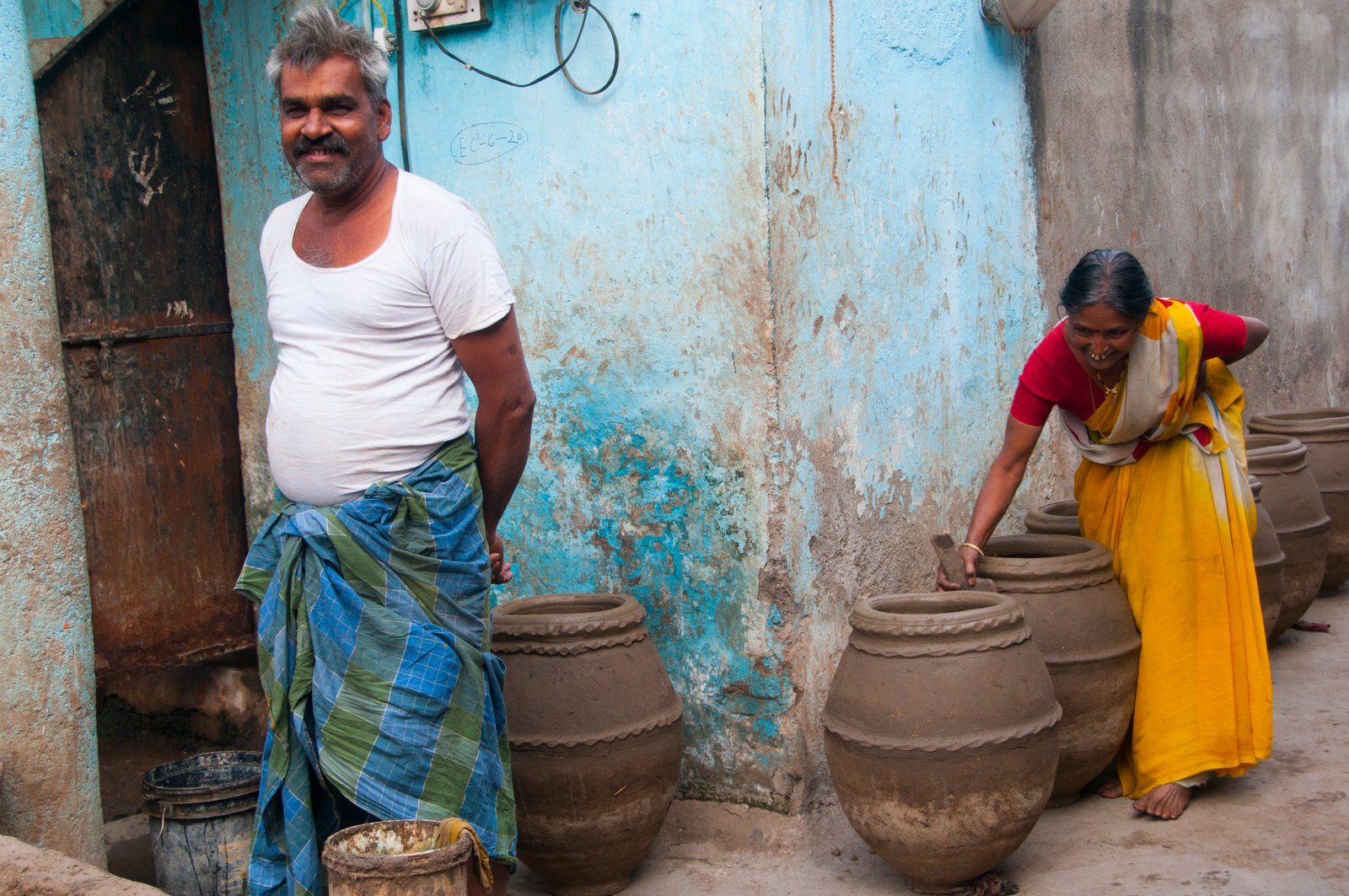
District crews, not fly-ins: linemen who sectionalized before the wind peaked, dispatchers who prestaged storage by afternoon cloud, warehouse keepers who pooled spares across feeders. Training via Foundation apprenticeships and textile academies meant the same hands ran the same feeders through the worst nights — tenure as reliability, the +22% archetype applied to electrons. Overtime stayed scheduled; safety logs stayed clean. Availability is a payroll, not just a plant.
Spare pooling deserves emphasis: shared racks, shared rectifiers, shared sectionalizers across 2–8 MW blocks cut mean-time-to-repair from days to hours. Weekly ops reviews tracked availability, outage cause codes and diesel liters alongside revenue — the Active Governance room where a failed rectifier becomes a day’s story, not a quarter’s. Storms grade crews honestly; ours graded as designed, with one civil delay documented and fixed.
PPA flywheel: reliability that funds reliability
Stable feeders attract factories; factories sign local-currency PPAs with observable escalation; PPAs fund the next feeder in the $85M sequence. Served districts already show +15% stability; each energized block improves the next block’s economics. Commercial anchors — mills, clinics, tower clusters — de-risk debt service without dollarizing households. That compounding, not any single array, is what the 15% target measures. Electrons are the output; consent and availability are the inputs.
FAQ
Were households affected?
Served districts saw fewer outage-minutes than planned; one cluster ran constrained backup two evenings during a civil delay. Full cause codes via data room.
How does this compare to national grids?
Served-district stability remains +15% above pre-mesh baseline per whitepaper; national comparisons vary by province and storm track.
What is next?
Sequential energization toward Q3 2026 logic; winter availability memo next.
Sources: Meridian East feeder logs + dispatch records (management, unaudited). External links for context only.