


Impact · Alumni Memo · November 2026
A $20k check is a start. A purchase order is traction. In November, Youth Summit alumni converted grants into pilot POs — water-testing for mills, solar service for tower hinterlands, craft supply for hotels — the $600k in checks becoming payroll exactly as designed in January’s summit.
- Conversions: testing lots, service zones, craft supply — with repeat-PO tracking.
- Mentors (30) stayed assigned; 12-month completion discipline (95% bar).
- Goodwill compounding into permits (see 10-City).
- Apply 2027: Contact · Impact Report.
1. Three PO patterns that prove the model
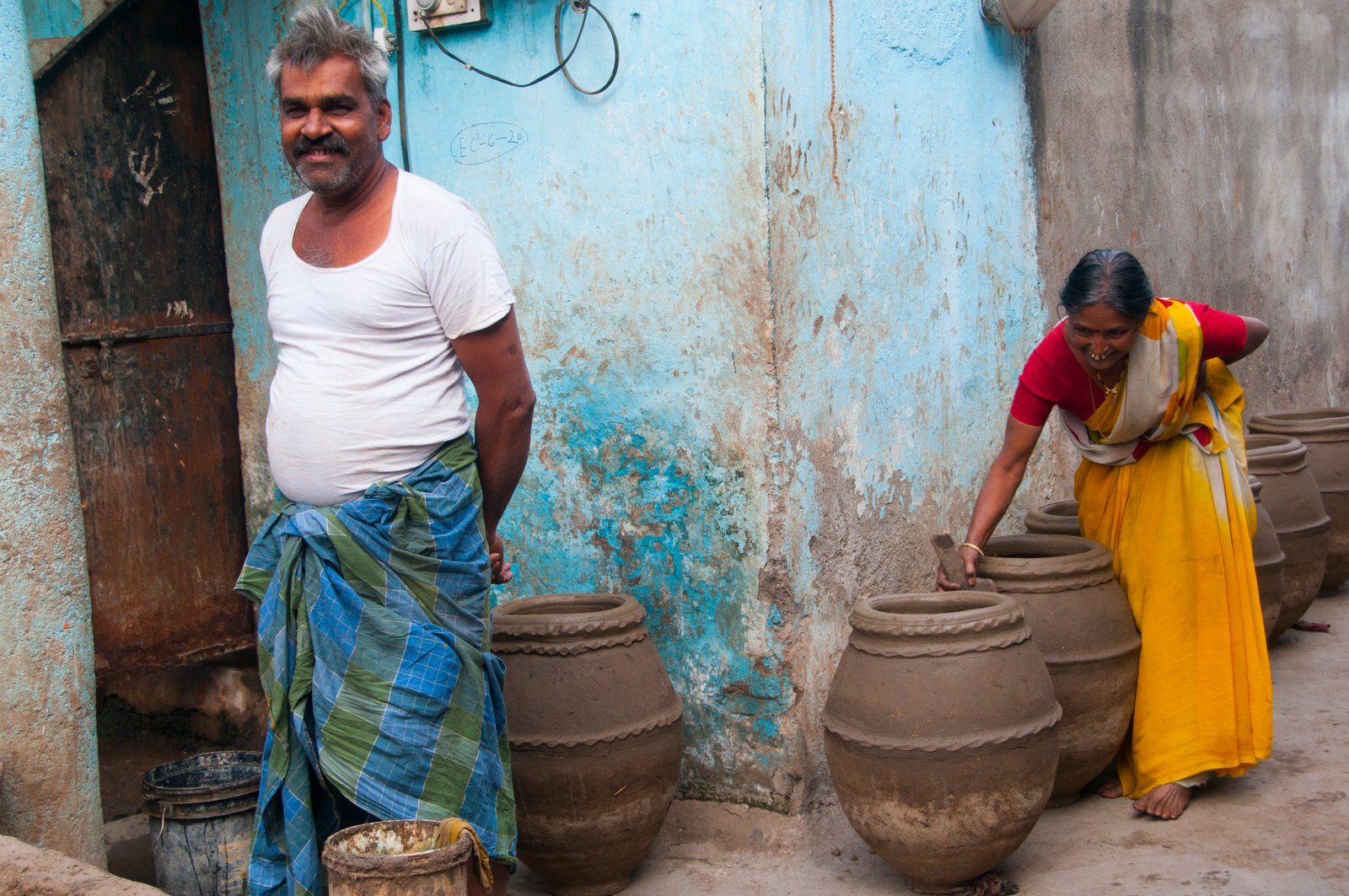
Water testing: alumni labs won mill effluent-testing lots — the compliance backbone of B-Corp surveillance. Solar micro-franchises: alumni crews took service zones around Rimvo towers, paid per uptime. Craft marketplaces: alumni aggregators supplied hotel ateliers and garden tables (see 30-day memo). Each PO small, each repeatable — procurement R&D that is cheap, fast and forgiving.
2. Mentors through month ten: operators, not panels
Textile quality leads priced testing lots; grid engineers scoped franchise zones; hotel artisans graded craft supply. Mentors stayed monthly through monsoon and surge — the operator continuity behind scholarship persistence logic. Non-performers closed with lessons published, per misses-in-ink. The 30 × $20k is not a prize; it is a probationary customer list.
“We do not fund pitches. We fund pilots with customers — preferably our own mills, grids and hotels.” — Foundation
3. Exhibit: $600k checks to traction
| Stage | Count |
|---|---|
| Grants (Jan, $20k each) | 30 |
| Pilots live | 22 |
| Pilot POs booked | 14 |
| Repeat POs | 7 |
Management + program logs; interim. Table canonical.
4. Permits follow payroll: goodwill that compounds
Municipalities that watched students win POs clear rights-of-way faster; parents who toured mills send daughters to academies. That consent — documented in coastal, towers and schools work — is why 40% of deal flow is non-Western. Goodwill is not soft when you build feeders.
5. 2027: bring a pilot customer, not a deck
Applications open via Contact; alumni mentor priority, customer-room preference. Criteria: 18–30, operating region, pilot customer in view, completion discipline accepted. Next summit January 2027 — 200 founders, 30 mentors, 30 checks. The loop from Generational Wealth, Built continues: scholars to founders to payroll.
Repeat rate: the only traction metric
First POs prove access; repeat POs prove value. Seven repeats at month ten — water-testing lots reordered, service zones extended, craft supply restocked — matter more than fourteen firsts. Tracking mirrors revenue: PO value, repeat rate, hires, with non-completions disclosed and lessons published. The $600k in $20k checks becomes payroll only where repeats compound; where pilots stall, mentors and founders share the post-mortem at the next summit. Catalytic capital that cannot show repeats is spending; ours shows seven and counting.
Sponsor logic closes the loop: mills buy testing as vendors, Rimvo buys service as contractors, hotels buy craft as suppliers — procurement R&D that is cheap, fast and forgiving, with Foundation reporting ensuring completion discipline. Goodwill in Colombo, Dhaka and Manila compounds into permits for the next 100 feeders and towers. Next-gen philanthropy works when the next generation gets customers, not just certificates — November proved it in purchase orders.
Press kit: winners, mentors, sampled POs
Local desks covered economy, not charity: $600k in checks, customer rooms buying pilots, alumni hiring into apprenticeships. Each city’s winners reflect constraints — water where effluent matters, solar where towers need crews, craft where hotels need supply. That specificity is the 10-City thesis in miniature. Kit and follow-ups (6/12-month unit economics, mentor retention) via Comms. January 2027 opens with customer preference for alumni.
Mentors staying: month ten to twelve
Thirty mentors stayed monthly through monsoon and surge — quality leads, grid engineers, hotel artisans pricing pilots, not panels. Non-performers closed with lessons; repeats tracked like revenue. Alumni join January as mentors, closing the loop from scholars to founders to payroll. Twelve-month unit economics next; customer preference for alumni in 2027 already set.
PO math: pilots to payroll
Fourteen pilot POs, seven repeats at month ten — water lots reordered, service zones extended, craft restocked. Value plus repeat rate plus hires tracked quarterly; misses published with lessons. Small, fast, forgiving grants becoming payroll — catalytic, counted.
FAQ
PO values?
Pilot-scale by design; repeat rate matters more than size at month ten. Full unit economics at 12 months.
Failures?
Disclosed with lessons; alumni join next summit as mentors regardless — teaching what missed.
Press kit?
Winners, mentors, POs (sampled): Comms.
Sources: Summit + program logs (management). External links for context only.