

Sustainability · Textiles · B-Corp Certified (Score 115)
Certification is easy to announce and hard to earn. After a two-year program across water, energy, labor and governance, Neyius Textiles has achieved B-Corp certification with a score of 115 — backed by 60% lower water intensity and 100% renewable electricity in two primary facilities. The plaque matters less than the price it commands: a 15% premium on certified lines.
- B-Corp score 115; water −60%; 2 flagship mills 100% renewable.
- Commercial payoff: +15% B2B premium, +22% retention, faster audits (see Purpose ROI).
- Workforce: 65% female, equal-pay certified, $2M in childcare + leadership (see Women in Manufacturing).
- Method: Neyius Advisors · Impact: Foundation Report.
1. What a 115 actually required
B Lab’s assessment is unforgiving: governance, workers, community, environment and customers — documented, not declared. We instrumented per-unit water and energy, third-party labor audits, chain-of-custody for inputs, and corrective-action logs. The embedded governance cadence (weekly KPIs, 90-day committees) made the evidence routine rather than heroic.
2. Water, energy, air: the physics behind the score
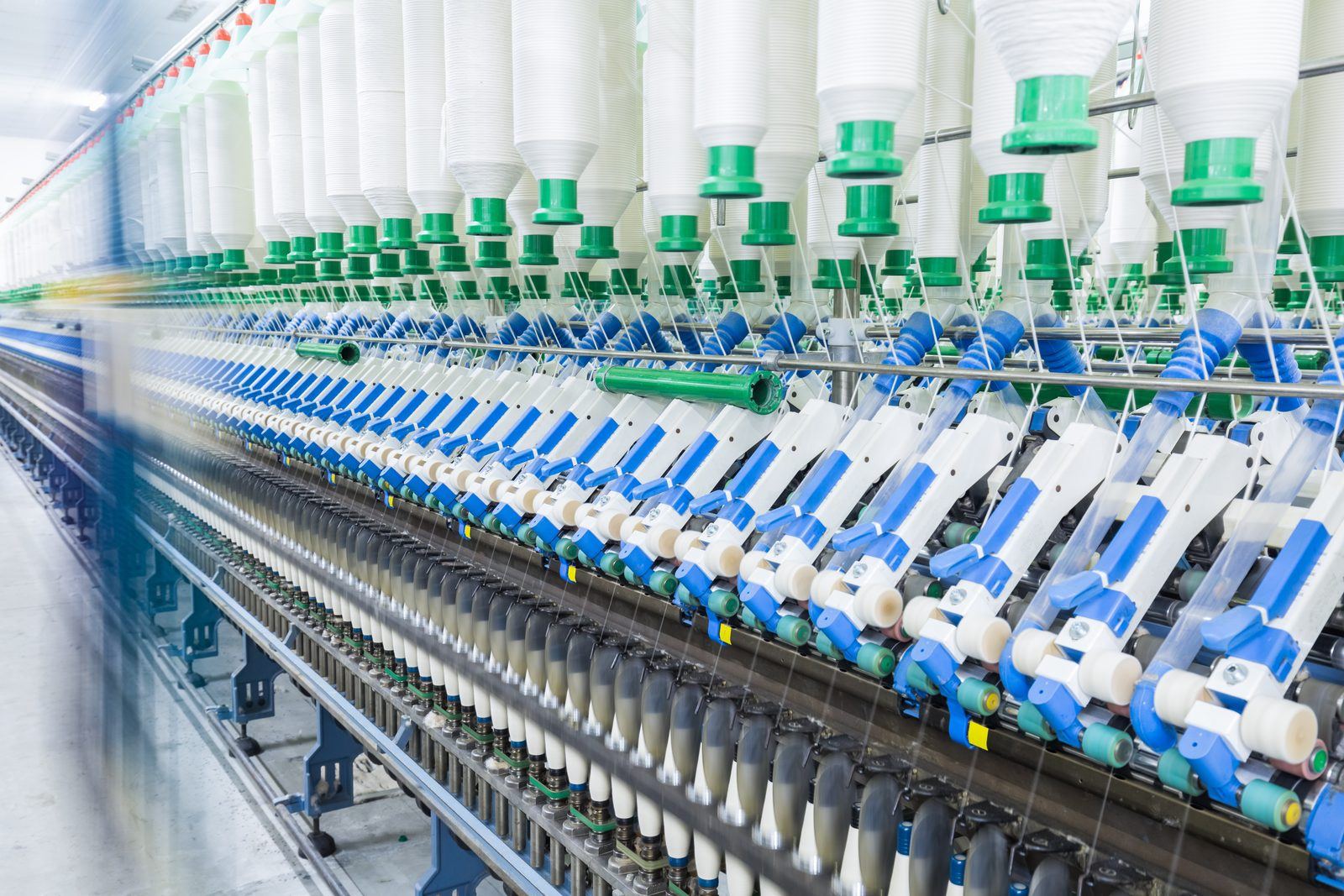
Closed-loop water recycling and low-liquor dyeing cut intensity 60%; rooftop solar plus procured renewables took two mills to 100% renewable electricity; heat recovery and compressed-air fixes — the classic Advisors $5M savings hunting ground — trimmed both emissions and bills. Health clinics and childcare cut absenteeism, lifting retention 22% and first-pass yield with it (see Purpose ROI).
“Auditors do not buy stories. They buy meters, logs and corrective actions. We installed the meters first.” — Neyius Textiles, Sustainability Lead
3. Exhibit: from baseline to 115
| Milestone | Score (index) |
|---|---|
| 2023 baseline | 62 |
| Water loop + audits | 84 |
| Renewables (2 mills) + workforce | 98 |
| Certified (2025) | 115 |
Illustrative index anchored to B Lab 80-point threshold. Table canonical.
4. How certification prices in procurement
For Vogue Business and GreenBiz readers the mechanism is familiar: certified supply de-risks the brand, so procurement pays to avoid re-sourcing. Our sales cycle shortened by weeks; frameworks replaced spot. That duration funded the next loop — the through-cycle CapEx logic of patient capital.
5. What remains: certify everything, publish everything
Remaining lines enter assessment in sequence; per-unit intensity will be published like financials. Workforce standards (equal pay, childcare, leadership academies) extend group-wide with the $2M already deployed as template (see Women in Manufacturing). Heritage hospitality will borrow the playbook for its laundries and supply chains (see Hotel Collection).
The future of textiles is not a fiber. It is a ledger — meters, audits, premiums — that proves responsibility is reliability. Score 115 is a milestone, not a mission. The mission is every container, every Tuesday.
A buyer’s checklist: verifying sustainable textiles
Procurement teams should demand four artifacts: chain-of-custody to gin/spinner, per-unit water/energy intensity with meter IDs, the last two third-party corrective-action plans with closure dates, and retention/promotion data by gender. If a vendor offers stories instead, discount the premium to zero. Neyius Textiles publishes all four via data room — the audit dividend that shortens sales cycles by weeks (see Purpose ROI).
For operators, replicate the sequence: one hero line, one audit, one premium, then reinvest. Our Advisors 6-month sprint averages $5M+ in identified savings precisely because energy, rework and procurement pool quickly once measured. Certification is the receipt; reliability is the product. Score 115 matters because buyers can diligence it in an afternoon.
Supply-chain ripple: what certification changes upstream
B-Corp 115 re-prices the gin, the spinner and the dyehouse — not just the cut-and-sew. Chain-of-custody requires ginners to segregate certified cotton, spinners to log energy per kilo, and dyehouses to meter water per meter of cloth. Neyius pays on-time and at premium for compliant lots, creating a pull that formalizes informal suppliers without crushing them: training, metering loans, and multi-season offtake replace spot haggling. The result mirrors our catalytic logic — small, early de-risking (meters, audits) unlocking durable commercial flow. Upstream retention rises alongside mill retention (+22%), and defect rates fall before cloth ever reaches our lines. Sustainability that stops at the factory gate is marketing; ours starts at the farm gate, metered.
CFO view: payback in four quarters
Quarter one funds metering and audits; quarter two certifies the hero line and reprices it +15%; quarter three pools procurement and fixes compressed air, steam traps and dyeing curves; quarter four scales to remaining lines from premium proceeds. Energy and rework savings — the core of our $5M+ Advisors engagements — fund the program before working capital feels it. Retention (+22%) compounds from quarter two as skill premiums and childcare stabilize crews. B-Corp 115 is therefore not a cost center but a pricing event phased acrossone fiscal year.
FAQ
How can buyers verify?
Request chain-of-custody, water/energy per unit, and last two corrective-action plans. Or start with our data room.
Did this cost margin?
Upfront CapEx, yes — protected at acquisition. Payback via premium, retention and energy savings; see margin bridge.
Where next?
Sources: B Lab BIA; Neyius Textiles metering logs (management data). External links for context only.