



Energy · Technical Memo · November 2026
Solar sleeps at sunset; demand does not. Through peak evenings, 2–4 hour batteries dispatched before the ramp covered 91% of constrained-feeder peaks — prestaged by monsoon-aware forecasting, isolated by sectionalizers, and reported like revenue. This is the storage memo behind monsoon availability.
- 2–4 hr batteries on constrained feeders; 91% peak coverage in storm window.
- Dispatch: cloud + load forecasting (Nervyra-derived); isolation in seconds.
- Diesel avoided; tariffs protected in local currency.
- Program: $85M Sri Lanka · whitepaper.
1. The ramp: solar down, load up
Evening peaks combine lighting, cooling and commercial close — exactly as solar fades. Centralized answers (peakers, imports) are slow and dollarized. Decentralized answers are local: oversize DC for cloudy days, store the shoulder, discharge the ramp. Each 2–8 MW block carries its own buffer, so the mesh, not a distant plant, meets the evening.
2. Dispatch before dusk: forecast, prestage, isolate
Monsoon cloud forecasts prestage state-of-charge by afternoon; sectionalizers isolate faults to blocks; batteries discharge in priority order (critical feeders first). Availability logs show 91% coverage in the storm window — misses confined to the one cluster awaiting civil completion (see storm memo). Maintenance shields held; weekly reviews tracked state-of-health alongside revenue.
“Storage does not replace generation. It replaces excuses.” — Meridian East, Dispatch Lead
3. Exhibit: evening peak coverage
| Outcome | Share of peaks (%) |
|---|---|
| Covered by storage | 91 |
| Covered by sectionalized solar | 6 |
| Constrained backup | 3 |
Management dispatch logs. Table canonical.
4. Diesel math: liters avoided, FX avoided
Hybrid sites skipped diesel through storm evenings; others trimmed to 64% of plan. Each liter avoided is import FX avoided — tariffs stay local, PPAs stay closed. Commercial anchors (factories, mills, clinics) value the certainty more than the electrons: reliability as location factor, documented in the $85M rationale.
5. Scaling: more buffers, faster isolation
The $85M program adds peaking + storage + automation in sequence; each block improves the next. Local-currency debt with weather-sized covenants keeps builds financed through cycles. Next memo after winter peak; data room open via Contact. Evening ramps will keep coming. So will charged batteries.
State-of-health: batteries as assets, not consumables
Batteries tracked like revenue: state-of-charge prestaged by forecast, state-of-health trended weekly, augmentation planned before degradation bites. Oversize DC for cloudy weeks plus 2–4 hr buffers means the mesh, not diesel, meets the ramp — 91% in the storm window, with the 9% confined to the civil-delay cluster now dual-sourced. Maintenance shields held through peaks; weekly reviews covered health alongside availability. Storage that is not metered is merely hopeful.
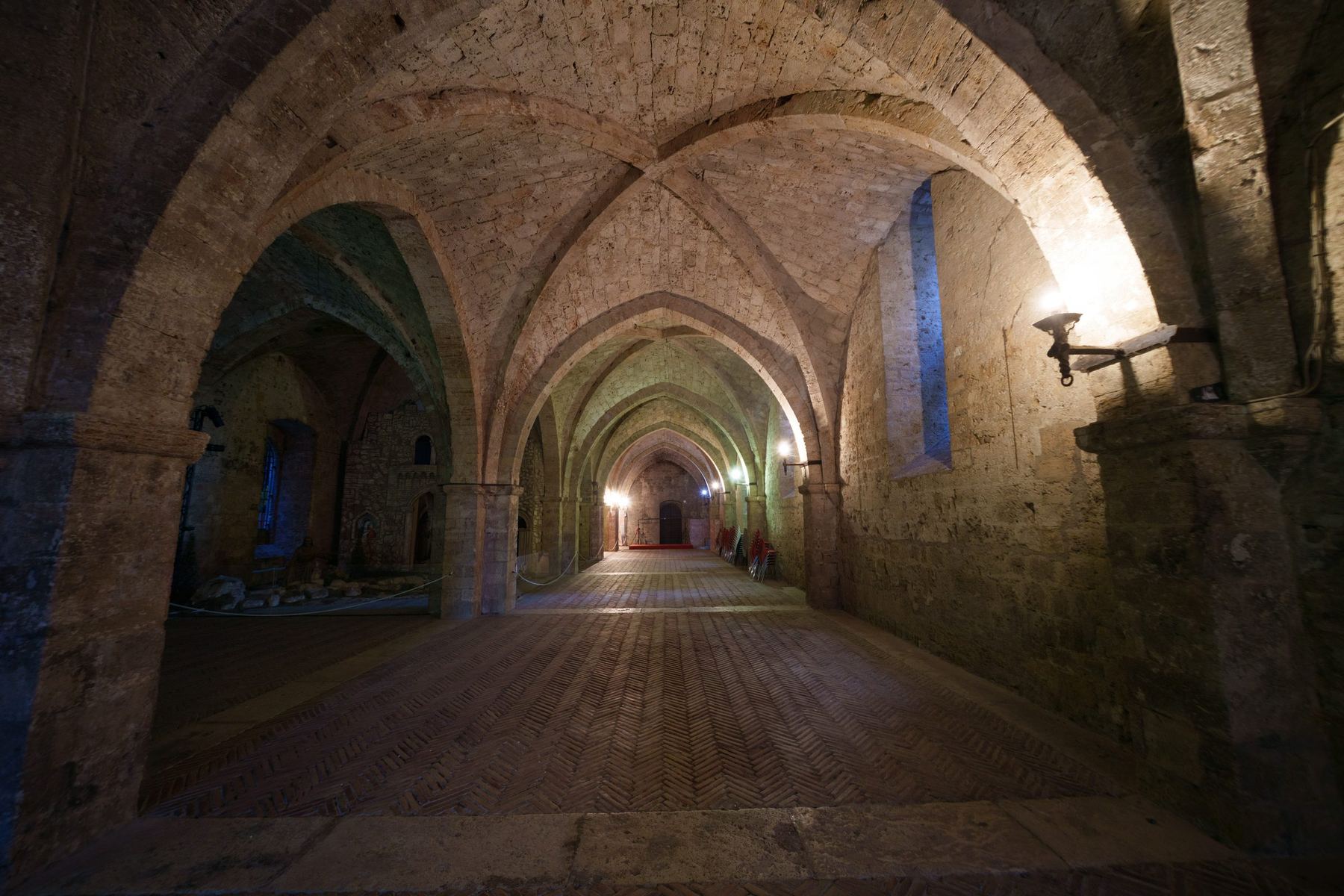
Hotel micro-grids borrow the same islanding: critical loads held through feeder tests, humidity bands intact, silence at 25 dB. The castle plant and the village feeder share dispatch logic if not scale — South-to-North transfer from monsoon to masonry. Next: more buffers + faster isolation under the $85M sequence, financed local-currency with weather-sized covenants. Evening ramps will keep coming; charged, prestaged batteries will keep meeting them.
Tariff protection: local electrons, local prices
PPAs in rupees/taka with observable escalation held without reopeners because costs stayed local — sun, storage, sectionalizers, not imported fuel. Factories citing reliability as top location factor signed; availability funded the next feeder. Import-fuel volatility passed other grids by; ours passed it by. That is decentralized finance as well as decentralized physics.
Islanding tested: micro-grid logic, macro calm
Sectionalizers isolate faults to blocks in seconds; storage prestaged by afternoon cloud covers the ramp; hotel critical loads island on the same logic. Brownout-tested, storm-graded, tariff-protecting — the mesh behaving like infrastructure, not a pilot. Next: more buffers + faster isolation under the $85M sequence, health trended weekly, augmentation before degradation. Ramps keep coming; charged batteries keep meeting them.
Forecast discipline: cloud to charge
Afternoon cloud forecasts prestage state-of-charge; sectionalizers isolate; critical feeders discharge first. Ninety-one percent peak cover in storm window, misses confined to civil-delay cluster now fixed. Health trended weekly; augmentation before degradation. Forecast, prestage, isolate, reconcile — weekly.
Next: more buffers plus faster isolation under the $85M sequence — health trended weekly, augmentation before degradation, local-currency tranches weather-sized. Evening ramps keep coming through winter; prestaged, sectionalized storage keeps meeting them with diesel avoided.
Co-benefits count: hotel islanding borrows feeder logic; clinics and towers share access; tariffs stay local. Storage dispatch reported like revenue; health like cash. Winter peaks next; charged buffers ready.
FAQ
Battery chemistry?
Sized for 2–4 hr feeder duty with state-of-health tracking; specs via data room under NDA.
What about cloudy weeks?
Oversized DC + prestaging; constrained backup only where civil lagged. See storm memo.
Co-benefits?
Hotel micro-grids borrow islanding logic; see castle plant.
Sources: Dispatch + availability logs (management). External links for context only.