


Documentary Companion · Engineering · Heritage Real Assets
Every restored castle hides two buildings: the one you photograph, and the one that keeps it standing. Our flagship — a 14th-century estate opening Fall 2026 — required 200 artisans, 10,000 reclaimed stones, and a carbon-neutral heating system threaded through medieval walls without leaving a scar. This is the engineering story behind the romance.
- 200 artisans; 10,000 stones reclaimed/re-dressed; 4-year program.
- Carbon-neutral heat (ground-source + biomass), reversible MEP, masonry-safe humidity.
- Watch: Neyius YouTube (embedded on Neyius); Visit: First Look 2026.
- Economics: $15M → 30% IRR · Demand: +40% ADR.
1. Reading the ruin: survey before scaffold
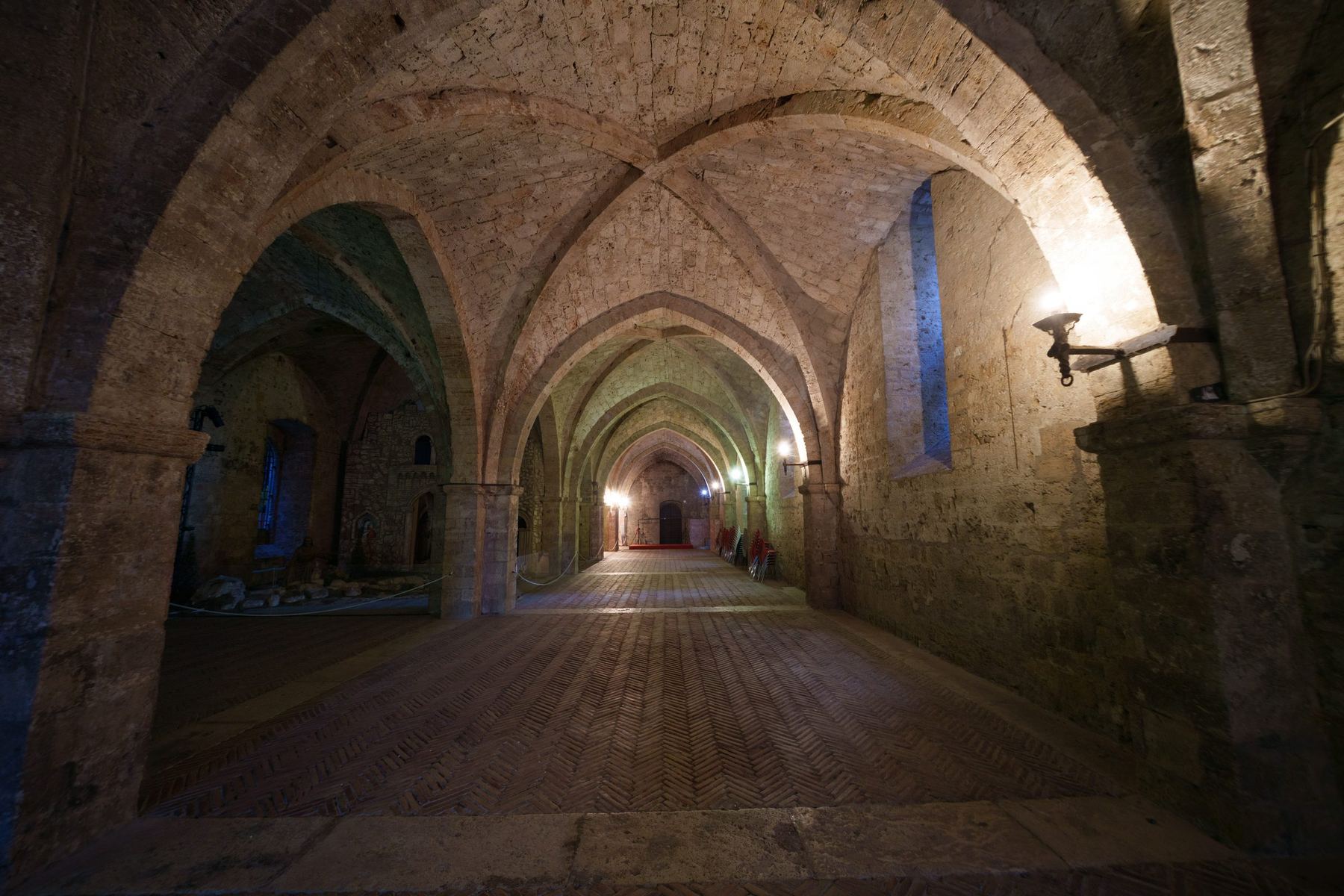
Restoration began with forensics: laser scans, mortar petrography, dendrochronology and archival research. Conservation architects mapped every phase — medieval, Georgian, Victorian bodges — deciding what to reveal, what to repair, what to leave as honest scar. Listed-building consents governed each reversible choice; every intervention was logged with the same lineage discipline we use for AI audit (see Nervyra). A ruin lies if you let it; survey prevents invention.
2. Stone, lime, timber: old materials, lab-grade matching
Cement would have killed the walls — too rigid, too impermeable. Labs matched historic lime mortars aggregate by aggregate; 10,000 stones were salvaged, re-dressed and re-set with correct bedding planes. Structural stitching (stainless ties, grouted anchors) works invisibly; oak was seasoned two winters to movement-matched moisture. Roof slates, lead and ironmongery were repaired, not replaced, where performance allowed — the heritage equivalent of our textile water-loop: fix the physics, keep the patina.
“The best restoration is boring to look at and thrilling to x-ray. Nothing moves, nothing damp, nothing new pretending to be old.” — Conservation Architect
3. Exhibit: where 200 hands went
| Craft | Share (%) |
|---|---|
| Masonry + lime | 34 |
| Carpentry + roofing | 22 |
| MEP (reversible) + heating | 20 |
| Plaster, joinery, conservation | 16 |
| Landscape + archaeology | 8 |
Management composite; table canonical; canvas enhancement only.
4. Heating a castle without harming it: carbon-neutral lungs
Castles were designed to leak heat; guests are not. Ground-source boreholes in the park plus biomass for peaks feed low-temperature circuits (underfloor where reversible, discreet radiators elsewhere), zoned by occupancy and masonry-safe humidity bands. Sensors — informed by Meridian East micro-grid logic — island critical loads during outages. No chasing of walls for ducts; no cement tanking that traps moisture. Comfort is modern; fabric is medieval; neither compromises.
5. The 200 hands — and the next 200
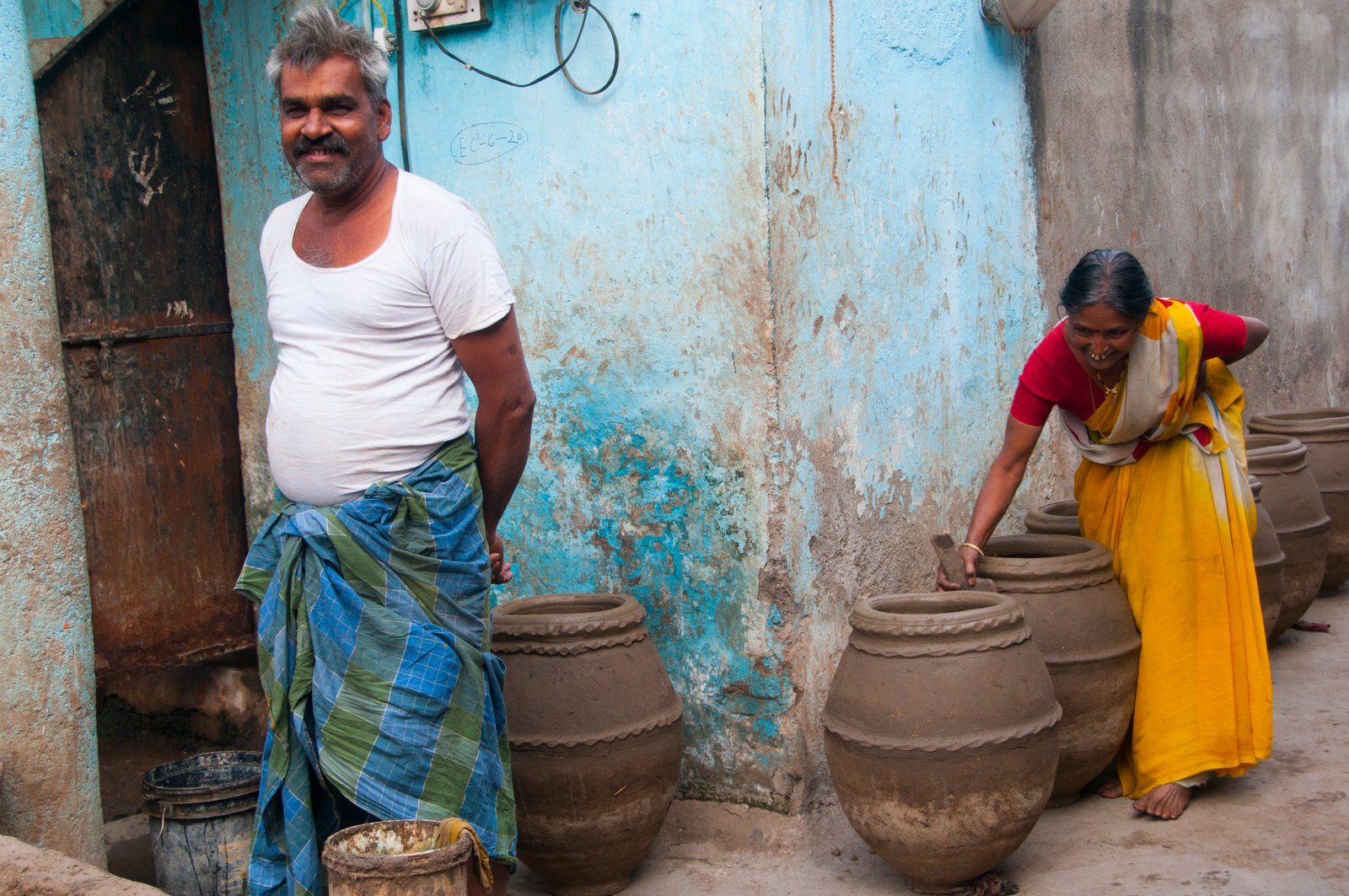
Flagship payroll reads like a guild roll: masons, lime burners, slaters, blacksmiths, joiners, plasterers, glaziers. Apprenticeships — shared with Foundation skills funding — ensure the next restoration has a workforce. Suppliers and guides form the £500M regional uplift thesis (see economics and Experiences). A building site that trains a parish is infrastructure twice over.
Watch the full film on Neyius YouTube; book previews via First Look. Ruins become resorts not by theming history, but by engineering for its next five centuries.
Lessons for any historic owner: five rules
Survey before scaffold. Laser, mortar analysis and archives prevent invention. Sacrificial materials. Lime, not cement; seasoned timber, not kiln-rushed. Reversible MEP. If the next century cannot upgrade it without demolition, do not install it. Log everything. Conservation lineage is the Nervyra discipline applied to masonry (see thesis). Train the parish. Two hundred artisans on this flagship should mean two hundred trainers for the next — the workforce flywheel of textiles and Foundation skills.
Owners contemplating restoration should budget like we do: structure/envelope ~40%, MEP ~25%, craft ~20%, fees/contingency ~15% — then hold for decades (see $15M economics). The premium (+40% ADR; see data) funds the keeping, but only if the keeping is honest.
Archive: what the film leaves for the next restorer
Every intervention is filmed, scanned and logged — mortar mixes, timber moisture, anchor torques — forming an archive the next century’s restorer will inherit. Like Nervyra lineage for AI (see thesis), the castle’s lineage lets any disputed repair be replayed exactly. The documentary is the public cut; the archive is the professional one, shared with conservation officers, QS teams and apprentices. Preservation that does not document is performance. Ours documents so the next 200 artisans start smarter than we did — the same compounding behind our Advisors playbooks.
FAQ + credits
How long did it take?
Four years flagship program, phased to allow archaeology and seasoning. Timelines vary by estate and consents.
Is the heating truly carbon-neutral?
Ground-source + biomass with certified supply and ongoing metering; operational verification published post-opening. Design intent, not a lifetime guarantee — see disclosures.
Credits
Conservation architects, structural and MEP engineers, archaeologists, 200 artisans, National Geographic-style field unit, Neyius comms. Full credits in film.
Sources: Conservation plans, QS budgets, MEP specs (management data). External links for context only.