


Heritage · Real Assets
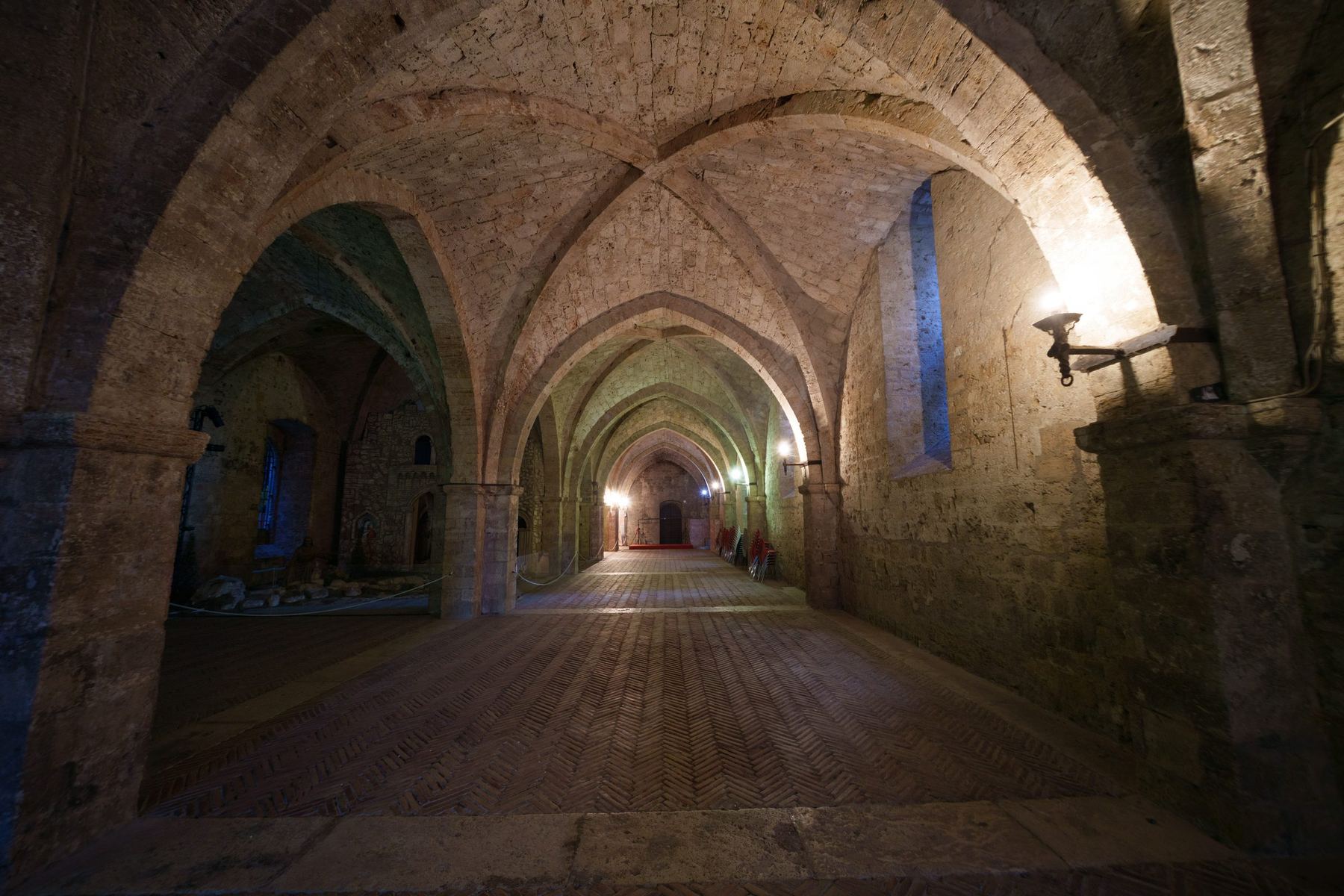
A ruin is a liability until someone underwrites its next five centuries. Neyius does — at roughly $15M per castle, targeting a 30% projected IRR via luxury hospitality conversion, and engineering for a 500-year asset life. Heritage, done properly, is not nostalgia. It is infrastructure with better architecture.
- Avg. $15M restoration per property; 30% projected IRR; 500-year underwriting lens.
- Demand: +40% ADR for authentic heritage vs. new builds; 85% repeat-guest intent (see ROI of Authenticity).
- Craft: 200 artisans, 10,000 reclaimed stones, carbon-neutral heating (see Ruin to Resort).
- Previews: Flagship 2026 Opening · Experiences.
1. Why heritage pencils now
Architectural Digest readers love the romance; Journal readers should love the arithmetic. New luxury supply competes on thread count — replicable in 18 months. A 14th-century estate competes on irreplaceability — non-replicable at any price. That scarcity supports a 40% ADR premium and 85% repeat intent in our surveys (see data report). Add constrained supply (listed-building controls limit competition) and you have pricing power new builds cannot buy.
2. The $15M math: where it goes, how it returns
Typical budget: structure and envelope (~40%), MEP including carbon-neutral heating (~25%), interiors and craft (~20%), fees, archaeology and contingency (~15%). Revenue stacks: suites (45 bespoke keys in the flagship), spa (12,000 sq ft), F&B including Michelin-partnered dining, and curated experiences (1:3 staff ratio, max 20 guests per estate). Underwriting assumes phased ramp to stabilized occupancy, then centuries of low-capex harvest — hence the 500-year lens that only patient capital can hold (see Mandate).
“A new hotel depreciates. A restored castle appreciates — culturally, then commercially, in that order.” — Courtney Jordan
3. Exhibit: what drives the 30% IRR
| Driver | pp of IRR |
|---|---|
| ADR premium (authenticity) | 11 |
| Occupancy + repeat (85%) | 8 |
| Experiences + F&B attach | 6 |
| Regional uplift / phased expansion | 5 |
Projected, not promised; table canonical. See disclosures. Total ≈ 30% in base case.
4. Preservation as engineering, not theming
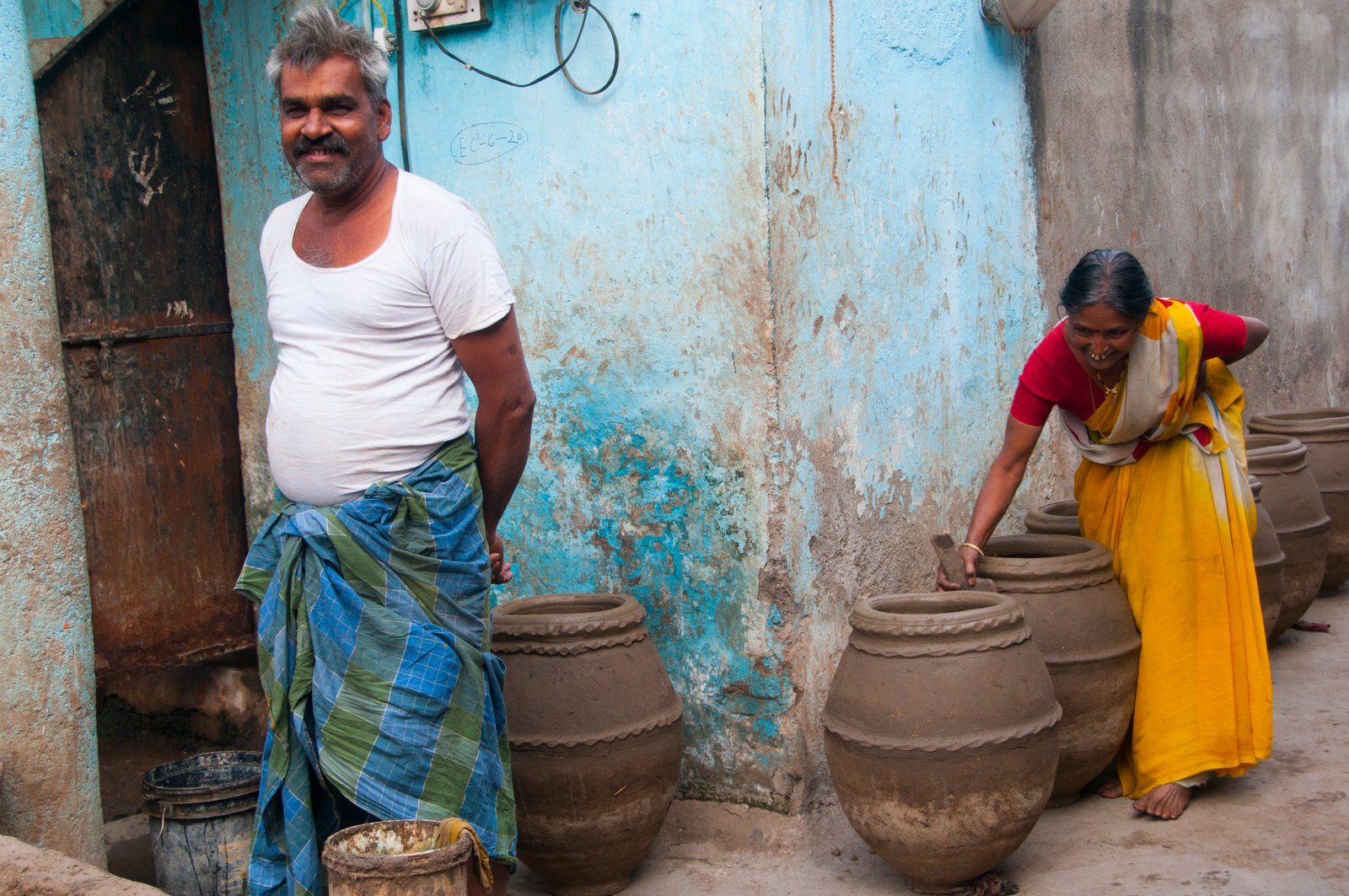
Our engineering documentary shows the unglamorous truth: lime mortars matched by lab, 10,000 stones reclaimed and re-dressed, timber seasoned two winters, ground-source and biomass heating threaded through medieval fabric without scarring it. Artisans number 200 on a flagship; apprenticeships ensure the craft outlives the project — the same workforce doctrine as textiles.
5. Funding the future around the castle
A restored estate is a regional engine: our flagship estimates £500M in regional tourism uplift via suppliers, guides and foundations (5 local heritage partnerships; see Experiences). Procurement mirrors energy and textiles — local first, audited always — and the Foundation braids skills funding alongside. Preservation that does not enrich its parish is just a stage set.
We buy ruins because we can hold them for centuries. Quarterly capital cannot; family capital can. That is the economics — and the ethics — of heritage.
Underwriting for grandchildren: the 500-year lens in practice
A 500-year lens changes specifications. Mortars must be sacrificial (lime, not cement) so masonry survives; timber must be seasoned to movement, not schedule; MEP must be reversible so the next century can upgrade without demolition. Quantity surveyors price two budgets: the build and the next hundred years of maintenance — the latter funded from hospitality cash flows, not fresh equity. That is why our portfolio letter reports heritage alongside grids and mills: different durations, same discipline of through-cycle CapEx (see Patient Capital).
It also changes talent: apprenticeships in masonry, joinery and lime work run with Foundation skills funding, ensuring the next restoration has a workforce. A castle restored without training its parish is a museum; with training, it is a school that happens to have suites. See the craft in Ruin to Resort and the stay in First Look 2026.
Craft as CapEx: training the next 200
Restoration budgets often hide labor as cost; we account it as CapEx in human capital. Apprenticeships in masonry, lime, carpentry and ironwork run alongside the flagship program, funded with Foundation skills and paying journeyman wages on graduation. Graduates staff the next estate — and the next — compressing future timelines the way textile academies compressed defects (see Women). Quantity surveyors who once priced stone now price training hours alongside it. A parish that can restore one castle can restore five; the £500M uplift thesis depends on that pipeline as much as on suites and spas.
FAQ
Is 30% IRR guaranteed?
No. Projected base case; hospitality ramp, rates and costs vary. See disclosures. Heritage is illiquid and long-duration by design.
How is authenticity protected?
Conservation architects, listed-building consents, reversible interventions, and published records — plus governance in Why Governance Matters.
Can I visit?
Flagship previews from Fall 2026: First Look and waitlist via Contact.
Sources: Neyius heritage quantity-surveyor budgets; hospitality surveys (management data). External links for context only.