


Lifestyle · Ultra-Luxury · Neyius Experiences
Anyone can sell a suite. No one can sell a night dig with the archaeologist who excavated the chapel, or dawn falconry with the keeper who flies the estate’s birds — unless they employ those people. Neyius Experiences caps at 20 guests with 1:3 staffing and five local heritage-foundation partnerships, curating participation money alone cannot buy.
- Max 20 guests per estate experience; 1:3 staff-to-guest; 5 foundation partners.
- Formats: archaeology nights, artisan ateliers, walled-garden tables, private performance in historic spaces.
- Economics: experience attach sustains the +40% ADR thesis (see Authenticity).
- Book: Flagship 2026 · Craft: Ruin to Resort.
1. What “unobtainable” actually means
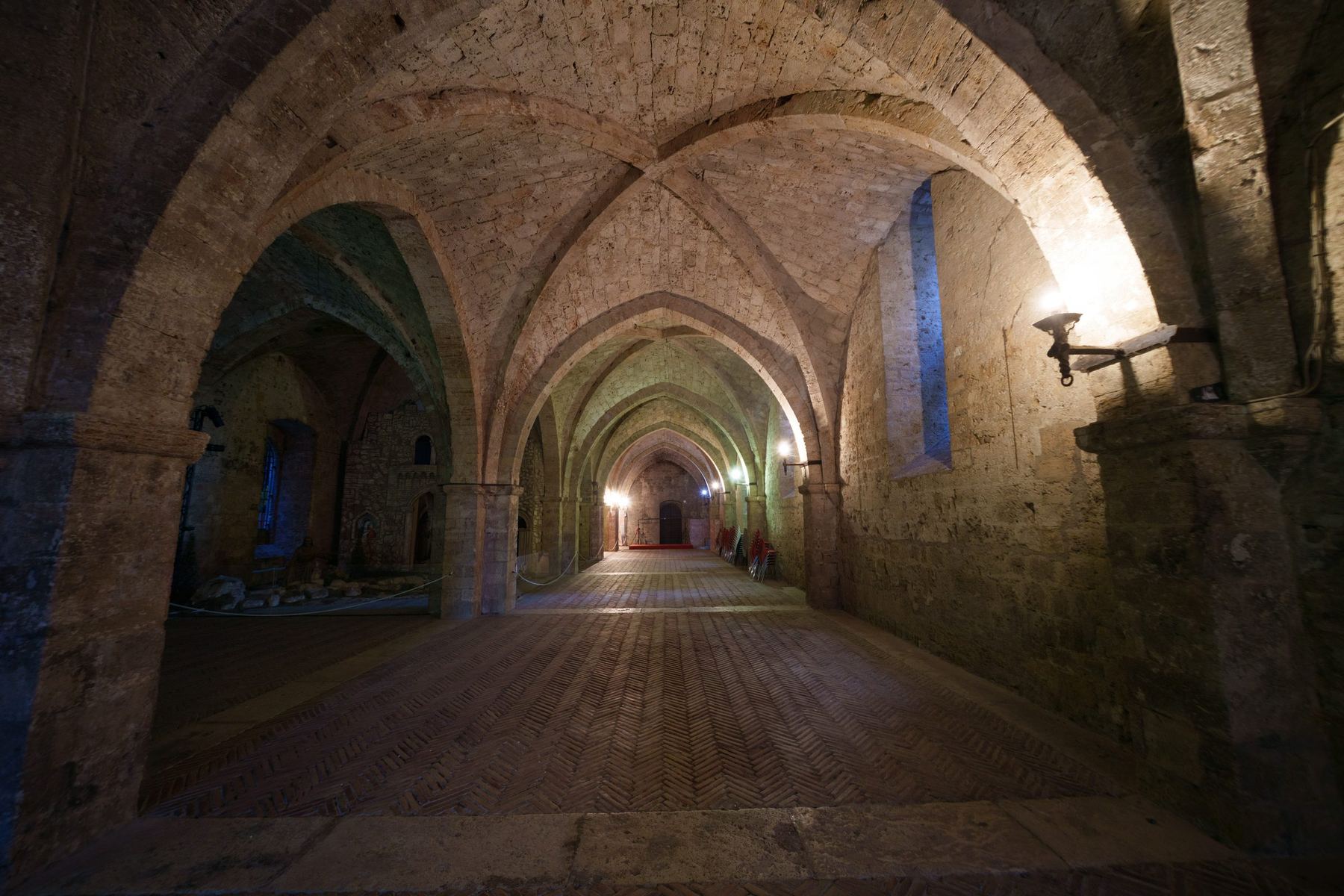
Forbes Life and Monocle readers are drowning in “exclusive” — roped-off, overpriced, under-staffed. We define unobtainable operationally: activities that require employment, permission and place. You cannot buy a private hour in a working conservation studio unless the studio works for the estate. You cannot dine in a chapel nave unless the foundation trusts you with it. Scarcity here is not velvet rope; it is payroll and consent.
2. The experience menu — three examples
Night archaeology: eight guests, one archaeologist, trowels and lamps in the scheduled trench — finds recorded to archive. Atelier mornings: lime, oak and iron with the 200-strong craft team; leave with a joint you cut yourself. Walled-garden table: twenty covers, Michelin-partnered kitchen, produce picked at noon. Each format is staffed 1:3, risk-assessed under listed-building protocols, and documented like our mills document chain-of-custody — provenance you can taste.
“Luxury is not being kept out. It is being let in — to work, briefly, alongside the people who keep the place alive.” — Neyius Experiences
3. Exhibit: what 1:3 buys
| Role | Heads |
|---|---|
| Curators / specialists | 14 |
| Hospitality + safety | 22 |
| Craft / garden / stable | 18 |
| Foundation liaison | 6 |
60 heads ≈ 1:3 on 20 guests. Table canonical; canvas enhancement only.
4. Foundations, not favors: the consent engine
Five heritage foundations co-design programming, share proceeds, and veto anything that cheapens fabric. That veto is the product: guests trust an experience a conservator would defend. It also powers the £500M regional uplift (see economics) — guides, makers and performers booked as professionals, not props. The same community discipline runs through philanthropy and coastal work.
5. How to book — and what it costs
Experiences pair with flagship suites (45 keys) and select buyouts; waitlist via Contact. Pricing is published per format; heritage-foundation share disclosed. We cap frequency to protect fabric — unobtainable must also mean infrequent. While others sell more nights, we sell fewer, better hours.
Suites sleep you. Experiences keep you. That is the top 1% we aim for — measured not in thread count, but in the morning you still talk about a decade later.
Design principles: why 20 and 1:3 are non-negotiable
Twenty is the largest group that can still hear an archaeologist without microphones — and the smallest that funds a 60-person roster. One-to-three is the ratio where safety, conservation and hospitality all pass review: enough hands to carry, to watch, to explain. Larger groups would require rope lines; smaller ratios would require prices that exclude the purpose travelers foundations exist to include. The numbers are operational, not marketing — set with conservation architects and governance sign-off.
Replication follows the same template as mills and grids: one estate, one program, one audit — then the next. Suppliers, guides and performers are booked as professionals with published shares, extending the £500M uplift thesis (see economics). Unobtainable scales only by adding estates, never by crowding them. That restraint is the brand.
Calendar: seasons of the unobtainable
Spring: lambing, wall-garden planting, lime season opens — atelier guests repoint alongside masons. Summer: garden tables at full produce, dawn falconry, foundation youth weeks. Autumn: harvest, timber grading, archaeology windows before frost. Winter: firelit conservation studios, private performance in the hall, night digs under lamps. Each season caps at 20 per experience with 1:3 staffing, priced and disclosed with foundation shares. The calendar is the yield manager: shoulder periods fill with purpose travelers while fabric rests. That programming — not discounting — sustains the 40% ADR premium and 85% repeat intent across cycles.
Safety and conservation: the veto that builds trust
Every format carries a conservation risk assessment and a safety plan signed by estates, foundations and governance. Night archaeology caps at eight with lamp and path controls; ateliers guard tools and dust; garden tables respect soil and drainage. Foundations hold veto — exercised twice in rehearsals, to applause. Guests trust experiences a conservator can stop; that trust is the product. Safety incidents, like OTIF and availability elsewhere, report weekly. Unobtainable must also mean unimpeachable.
FAQ
Are children welcome?
Yes — atelier and garden formats are family-graded; night archaeology 12+ by safety assessment.
Can brands buy out experiences?
Selectively, under conservation veto and no-logo rules in historic spaces. Editorial: enquire.
Press access?
Allocation previews via comms; see First Look.
Sources: Experiences program plans; hospitality attach analysis (management data). External links for context only.