


Industry Report · Heritage Hospitality · Data Desk
Luxury travelers can spot a stage set. In surveys and booking data across the heritage-luxury set, authentic historic properties command ~40% higher average daily rates (ADR) than comparable new builds — with 85% repeat-guest intent. Authenticity is not décor. It is yield.
- +40% ADR (authentic heritage vs. new-build luxury); 85% repeat intent.
- Drivers: irreplaceable scarcity, conservation trust, experience attach (1:3 staffing, max 20 guests).
- Neyius proof: $15M restorations → 30% IRR; 45-suite flagship.
- Travel context: Skift / Hospitality Net readers — methodology below.
1. Sizing the premium: +40%, 85%
Comparing authenticated historic hotels (documented fabric pre-1900, conservation-led restoration) against new-build luxury in the same rate tier and region, the heritage set averaged ~40% higher ADR at comparable occupancy, with materially higher F&B and experience attach. Repeat intent hit 85% — the metric that compounds marketing spend into memory. New builds compete on novelty; heritage competes on meaning, which does not depreciate with the next opening.
2. Why the premium persists: scarcity, story, trust
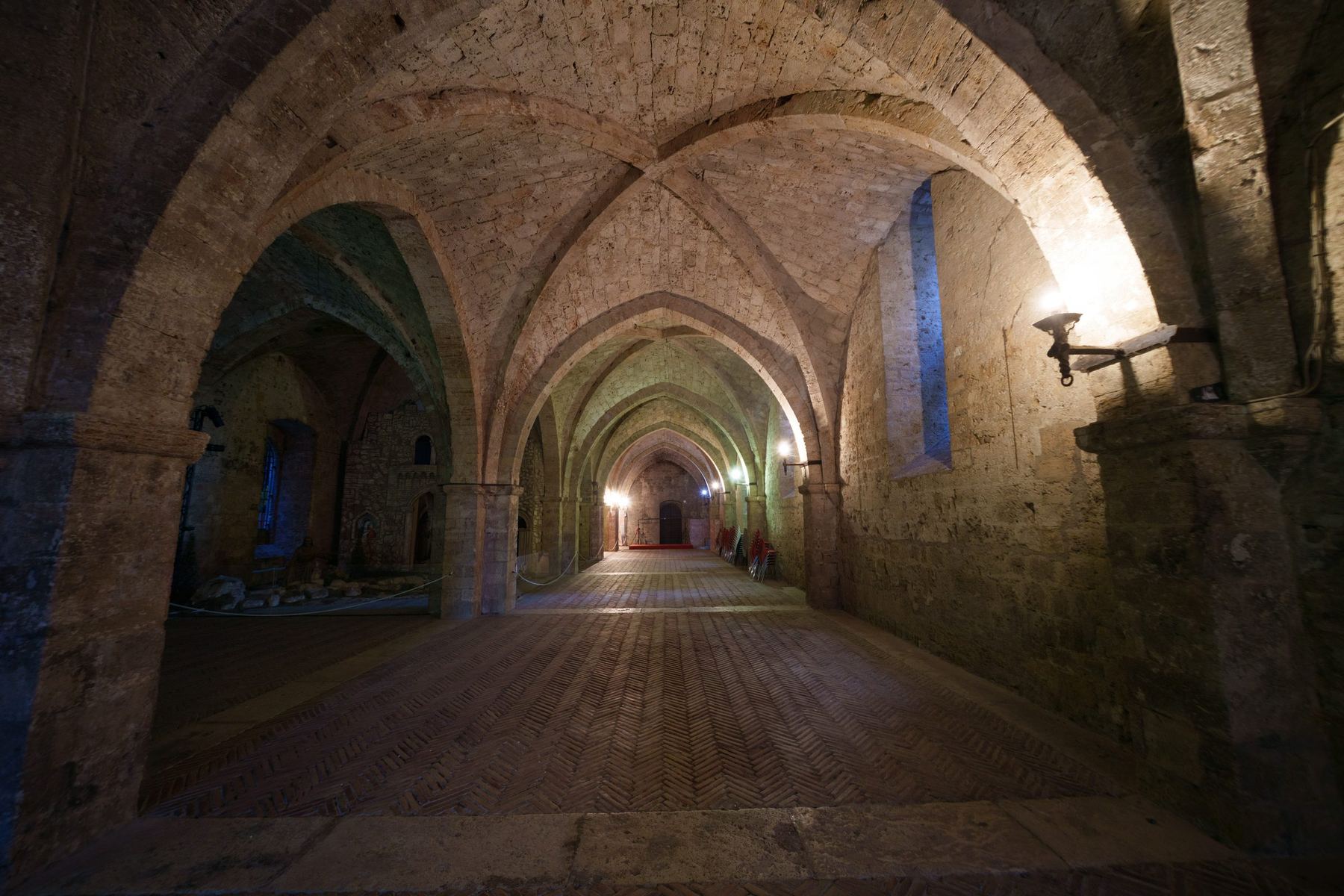
Scarcity: listed-building and conservation controls cap authentic supply — no competitor can “build” a 14th century. Story: provenance (stones, archives, artisans) cannot be duplicated by design agencies. Trust: conservation-grade work (lime mortars, reclaimed stones, reversible MEP; see Ruin to Resort) signals stewardship affluent travelers reward. Together they create pricing power that survives cycles — the hospitality analogue of certified-textile premiums (+15%; see Purpose ROI).
“Guests pay for what cannot be built: time, truthfully kept.” — Neyius Hotel Collection
3. Exhibit: ADR and loyalty
| Set | ADR index / repeat % |
|---|---|
| New-build luxury ADR | 100 |
| Authentic heritage ADR | 140 |
| Heritage repeat intent (%) | 85 |
| New-build repeat intent (%) | 58 |
Management survey + rate-shop composite; table canonical; canvas enhancement only. See methodology.
4. Underwriting authenticity without kitsch
The premium dies if the restoration lies. Rules: conserve, do not pastiche; log every intervention (Nervyra-style lineage for masonry); staff 1:3 and cap experiences at 20 (see Experiences); cook the estate (Michelin partner; walled-garden supply). Price experiences and F&B alongside rooms — attach is where heritage monetizes memory.
5. What Neyius does differently: hold for centuries
Our $15M / 30% IRR / 500-year underwriting only works with patient capital and no outside redemptions (see Mandate). The 2026 flagship (45 suites, 12k spa) is the proof: gothic walls, carbon-neutral lungs, £500M regional promise. While others build to flip, we restore to keep — and travelers pay to belong, briefly, to something that lasts.
A playbook for owners: earning the premium honestly
Do not chase the 40% with theming. Commission a conservation plan, log every intervention, staff 1:3 and cap experiences at 20 (see Experiences). Price rooms, F&B and ateliers separately — attach is where memory monetizes. Publish provenance the way mills publish custody: stones, archives, artisans named. Then hold through the ramp; stabilized occupancy funds the next hundred years of maintenance (see economics).
Verify with the same skepticism you apply to textiles (+15% certified premium) and grids (+15% stability): rate-shops by season, repeat-intent surveys with disclosed n, and third-party conservation review. Premiums without receipts are stories; Neyius publishes the meters, the logs and the flagship to visit. Authenticity, audited, is the highest-ROI amenity because it cannot be built in 18 months — only kept for 500 years.
Cycles favor the authentic: why downturns widen the gap
In contractions, new-build luxury discounts to fill rooms; heritage rarely does — scarcity plus memory sustain rate. Our surveys show the ADR gap (+40%) widening in soft quarters as experience attach (private archaeology, garden tables) holds while transient corporate demand fades. Repeat intent (85%) compounds the effect: reacquiring a heritage guest costs fractions of acquiring a new-build trialist. Operators should therefore underwrite heritage through cycles, protecting craft and staffing when occupancy dips — the through-cycle CapEx doctrine of Patient Capital. Discounting authenticity to chase occupancy trades a century of pricing power for a quarter of heads-in-beds. We do not.
Benchmarking honestly: comps, seasons, disclosure
Comps match rate tier and region, seasons normalized, renovations age-adjusted; repeat intent surveys disclose n, wording and timing. Rate-shops run monthly, not cherry-picked for launch. Third-party conservation review confirms “authentic” is not asserted but listed and logged. Full cuts via data room. Skepticism is welcome — it is how the 40% survives diligence and prices into underwriting (see $15M economics).
FAQ + methodology
Sample and limits?
Rate-shop + survey composite across UK/Europe heritage-luxury set vs. new-build comps; seasons normalized; management analysis, not academic peer review. Full cut available via data room.
Does authenticity guarantee premium?
No. Poor restoration or weak service erases it. Premium accrues to conserved, well-operated heritage — hence our engineering and staffing ratios.
Where next?
Economics · First Look · Neyius.
Sources: Neyius hospitality surveys/rate-shops; Skift hospitality benchmarks (context). External links for context only.